How to Set a Casual Dinner Table
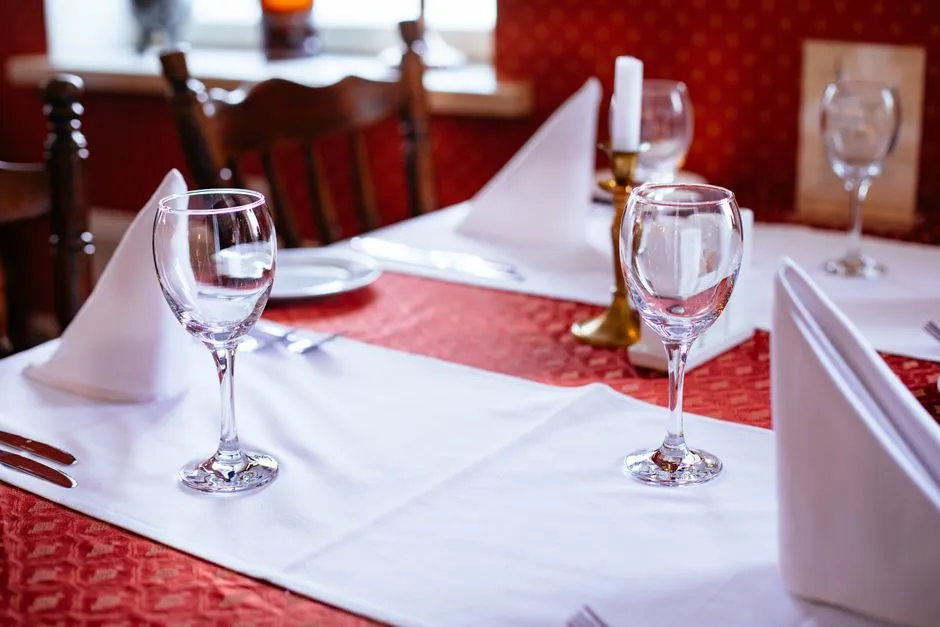
Let the menu decide what goes at each seat
A casual place setting needs a plate, the utensils required by the meal, a drinking glass, and a napkin. Center the plate at the chair, place the fork left, and place the knife right with its cutting edge facing the plate. Add a spoon only if someone will use it.
That familiar arrangement is one informal Western convention, not a universal law. Adapt for culture, handedness, children, mobility, and the actual people arriving.
Build one place from the center outward
Position the dinner plate where the guest can sit comfortably without leaning. Put the fork to the left. Put the knife to the right, blade inward, and a needed spoon to the knife's right.
Place the water glass above the knife area where it is easy to reach but not near the table edge. Add a second beverage glass only when serving that beverage. The napkin may sit left of the fork, beneath it, or on the plate if that does not interfere with food already served.
Skip chargers, bread plates, salad forks, and dessert spoons unless they support the menu. A casual table is not a cutlery adoption event.
Check scale before styling
Set all plates and glasses, then pull every chair out and sit down. Check elbow space, knee clearance, serving reach, and traffic behind chairs. Remove optional objects before compressing guests.
Our guide to the best dinnerware material for everyday use recommends measuring plate diameter and stack height before purchasing. Oversized plates can crowd a narrow table just as effectively as they crowd a dishwasher.
Keep glasses, candles, and serving pieces within safe reach. For children or guests with limited mobility, adjust positions and vessels rather than expecting everyone to conform to a diagram.
Choose one layer of linen, or none
A tablecloth creates a unified field and protects some surfaces. Placemats define individual spaces. A runner can anchor serving pieces. A bare table may be the most practical choice when its finish tolerates the meal.
Check heat and moisture protection. Cloth alone may not protect against a hot casserole; use stable trivets rated for the serving dish and surface. Avoid low-hanging fabric where pets, children, knees, or mobility equipment can catch it.
Ironing is optional. Clean and flat matters more than linen achieving personal enlightenment.
Plan serving pieces before guests sit
For family-style service, map where bowls and platters will go. Give each hot item an appropriate trivet and each dish its own serving utensil. Keep pan handles away from edges and traffic. Heavy pieces belong where guests can reach without passing them over glasses.
Plated service leaves more room but moves timing into the kitchen. Either approach works. Consider allergens and avoid moving one serving utensil among dishes when cross-contact matters.
Water can be poured before seating or offered in a stable pitcher that all intended users can lift. Wine or other alcohol is optional; provide equally thoughtful nonalcoholic choices and never pressure a guest to explain.
Add height without blocking faces
Use flowers, candles, fruit, or one low object if desired. Sit down and look across the table: if the centerpiece hides another person's face, it has mistaken dinner for witness protection.
Keep flames stable, attended, away from fabric and hair, and appropriate for children, pets, ventilation, and building rules. Unscented candles avoid competing with food. Battery lighting can simplify risk, but inspect its condition and keep small batteries away from children.
The table styling collection favors repetition over clutter: one linen color, a small group of vessels, or the same napkin fold at each seat creates coherence without filling every inch.
Perform the five-minute host test
Before the meal, sit at one place and check:
- Can the chair move comfortably?
- Are plate, glass, and napkin easy to reach?
- Does every utensil have a menu job?
- Are hot dishes, flames, and cords controlled?
- Is there space for shared food or used plates?
Then remove one unnecessary thing. A relaxed table gives dinner room to happen, including the inevitable moment when someone brings an extra bowl nobody planned for and everyone is delighted anyway.